


Promising areas of psychology: consumer preferences, trends, and development forecasts
https://doi.org/10.24182/2073-9885-2025-18-4-79-88
Abstract
The article notes that psychological services have become an integral part of Russian healthcare and social security. It explains the factors negatively impacting mental health, outlining the growing trend of problems related to professional burnout, digital fatigue, gadget addiction in children and adolescents, and the psycho–emotional state of people living in cities with over a million inhabitants. It traces the cause–and–effect relationship between the emergence of psychological problems, existing consumer preferences, trends, and forecasts for the development of psychological services. It also provides a forecast for the development of such areas of psychology as corporate, positive, environmental, and cyberpsychology, as well as gadget addiction in children and adolescents. It is expected that a hybrid format (online and offline) will become predominant in the interactions between psychologists and clients. A confluence of psychology, medicine, pedagogy, and management is expected, along with a demand for niche, highly specialized psychologists focused on specific socio–demographic groups, individuals in specific professions, specific business sectors, and public administration.
About the Author
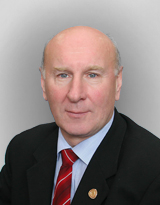
N. V. Filonenko
Moscow International University
Россия
Россия
Cand. Sci. (Pedagog.), Assoc. Prof.
Moscow
References
1. Bocharov V.V., Shishkova A.M., Dubinina E.A., Shchelkova O.Yu., Neznanov N.G. The Role of a Medical Psychologist in the Modern Healthcare System. National Healthcare. 2023. No. 4(1). P. 12–22.
2. Vinogradova G.A. Subjective Well"Being and Development of Adaptive Capacities of Adults in the Context of Socioeconomic Crisis. Bulletin of Samara University. History, Pedagogy, Philology. 2016. No. 2. P. 83–85.
3. Vokhrina A.V. The Phenomenon of Emotional Burnout in Psychological Research. Herald of Science. 2022. Vol. 4, No. 3(48). P. 222–230.
4. Yesenin R.A. Psychological Challenges of Digital Reality: Artificial Intelligence Today and in the Future. Professional Education and the Labor Market. 2023. Vol. 11. No. 2. P. 121–128.
5. Zhalagina T.A. Psychological Features of the Development of the Subject of Labor in the Context of the Socioeconomic Crisis. Bulletin of Tver State University. Series: Pedagogy and Psychology. 2024. No. 1 (66). P. 71–76.
6. Zhilin I.S. Information Fatigue Syndrome as a Consequence of Global Transformation Processes. Philosophical Problems of Information Technology and Cyberspace. 2020. No. 2 (18). P. 59–71.
7. Zhiltsova M.S., Kuznetsova O.A., Pikalov V.A., Babeshko D.A. Analysis of the market for psychological services: trends and development prospects. Bulletin of the Academy of Knowledge. 2024. No. 1 (60). P. 149–154.
8. Zhuravlev A.L., Nestik T.A. Socio"psychological consequences of the introduction of new technologies: promising areas of research. Psychological Journal. 2019. Vol. 40. No. 5 P. 35–47.
9. Ivanets N.N., Kinkulkina M.A., Tikhonova Yu.G. Digital technologies in mental health: problems and prospects. National Health. 2023. No. 4 (2). P. 5–14.
10. Ionov A.Yu, Kim Yu.H. Digital fatigue in the realities of modern education. Modern pedagogical education. 2025. No. 6. P. 203–205.
11. Mikhailova O.R., Fomicheva E.V., Jasmine Zhyrgalbek Kyzy Factors of trust in digital platforms for providing psychological assistance: A literature review. Journal of Sociology and Social Anthropology. 2024. No. 27(2). P. 179–210.
12. Matthews S.M. Positive psychology and health behavior change in lifestyle medicine: A narrative review. Am J Lifestyle Med. 2025 Aug 25:15598276251367691. DOI: 10.1177/15598276251367691. Epub ahead of print. PMID: 40881258; PMCID: PMC12380745.
13. Neznanov N.G., Dutov V.B., Skripov V.S., Lidova A. V. Mental health protection in primary health care: medical and social effectiveness. Preventive medicine. 2024. No. 27 (10). P. 29–35.
14. Neznanov N.G., Semenova N.V., Goncharenko A.Yu., Shamrey V.K. Population psychoprophylaxis and informational mental hygiene: main directions. National healthcare. 2023. No. 4 (1). P. 40–47.
15. Orlova L.V. Organization of psychological assistance to elderly patients in Russia and in the world. Scientific review. Medical Sciences. 2016. No. 3. P. 99–104.
16. Panov V.I. Ecological Psychology: Directions and Trends. Ecopoiesis: Eco"Humanitarian Theory and Practice. 2020. No. 1. P. 36–44.
17. Poddyakov A.N. Positive Psychology and the Problem of Evil. Psychological Research. 2012. No. 2(22). P. 1.
18. Rebrikova N.V. Research of the Paid Psychological Services Market: A Brief Overview. Leadership and Management. 2025. Vol. 12. No. 6. P. 1495–1510.
19. Rebrikova N.V. Factors Shaping Consumer Trust in the Services of Private Psychologists. Leadership and Management. 2025. Vol. 12. No. 5. P. 1297–1310.
20. Rozanov V.A., Samerkhanova K.M. Mobile Applications for Mental Health Maintenance: A Review of User Assessments. Telemedicine and Electronic Health. 2022. No. 8(2). P. 7–20.
21. Romero"Rodriguez J.M., Inojo"Lucena F.J., Kopecky K. and Garcia"Gonzalez A. (2023). Digital Fatigue of University Students as a Result of Online Learning during the Covid"19 Pandemic. Education XX1, 26(2), 165–184. https://doi.org/10.5944/educxx1.34530.
22. Ulanovsky A.M. Coaching with an Eye on Science: Positive Life Practices. Psychology. Journal of the Higher School of Economics. 2012. Vol. 9. No. 4. P. 59–80.
23. Ulyanina O.A., Gayazova L.A., Fayzullina K.A., Nikiforova E.A., Semenova K.G. Domestic and Foreign Experience in Providing Emergency Psychological Assistance to the Population. Modern Foreign Psychology. 2022. Vol. 11. No. 3. P. 114–126.
24. Chetvergova S.A. Causes of Professional Burnout of Employees. Theory and Practice of Modern Science. 2019. No. 6(48). P. 512–514.
25. Shatalova O.V. Psychological restoration and connection with nature from the perspective of «bottom"up» and «top"down» approaches to understanding interaction with nature. Cultural"historical psychology. 2023. No. 19 (4). P. 109–118.
26. Shimovonyan K.T. The importance of psychological knowledge in practical medicine. Young scientist. 2017. No. 13.2 (147.2). P. 28–30.
27. Shchurina S.V. The impact of the digital revolution on the development of artificial intelligence and the introduction of robotic process automation technologies in the activities of a modern company. Economy. Taxes. Law. 2023. No. 16 (4). P. 65–75.
28. The restorative benefits of nature: Toward an integrative framework. By Kaplan S. in Journal of Environmental Psychology. 1995. V. 15. P. 169–182.
Review
For citations:
Filonenko N.V. Promising areas of psychology: consumer preferences, trends, and development forecasts. Entrepreneur’s Guide. 2025;18(4):79-88. (In Russ.) https://doi.org/10.24182/2073-9885-2025-18-4-79-88
Views:
115
JATS XML



 Email this article